

I Was Thrown Out of Ballet: Why I Finally Took Up Ballroom Dancing as an Adult [Dancing for Physical & Mental Health]
In this post:
Introduction
If you had told my younger self that I’d eventually spend my Sunday evenings wearing sparkly heels, learning the nuance of the Rumba or the footwork of a Waltz, I would have laughed.
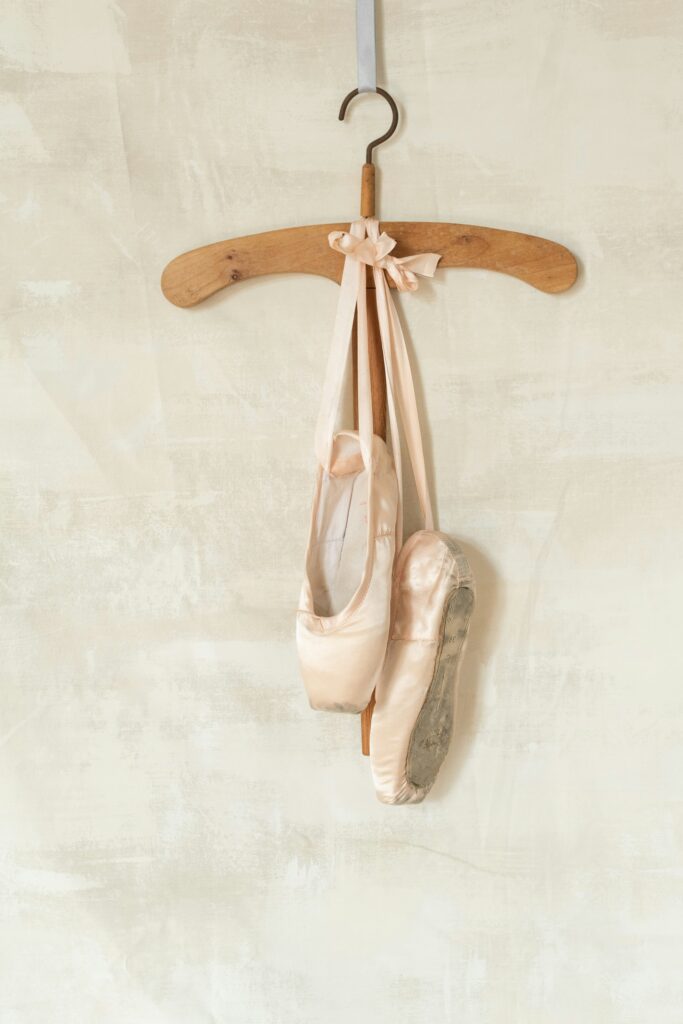
Growing up, I was convinced I was completely uncoordinated. My very first exposure to dance was a childhood ballet class that ended abruptly when I was asked to leave – according to my mum, I was simply too boisterous. In reality, I distinctly remember being bored. The repetition felt under-stimulating, and I wanted to learn more and be shown more. Acting out was just my way of coping with a lack of challenge. But, being nudged out left a lingering taste that places like that were unwelcome or far too serious for someone like me. Even by six or seven years old, it felt like the ship had already sailed. I remember looking at other girls my age who had been dancing since they were practically toddlers and were already exceptionally good. It felt like there was no way back in or any accessible way for me to enjoy that kind of dance.
My subsequent experiences didn’t help change my mind. In PE at school, dance felt like an uncomfortable chore. We were pushed into awkward street-dancing routines with popping and locking that made me feel painfully self-conscious, followed by jazz routines that I absolutely hated and thought looked silly. In my teens, I briefly tried salsa with an old school friend. There were no hard feelings, but with school commitments and life getting in the way, it simply fizzled out after two sessions. Dance, it seemed, was firmly off the table.
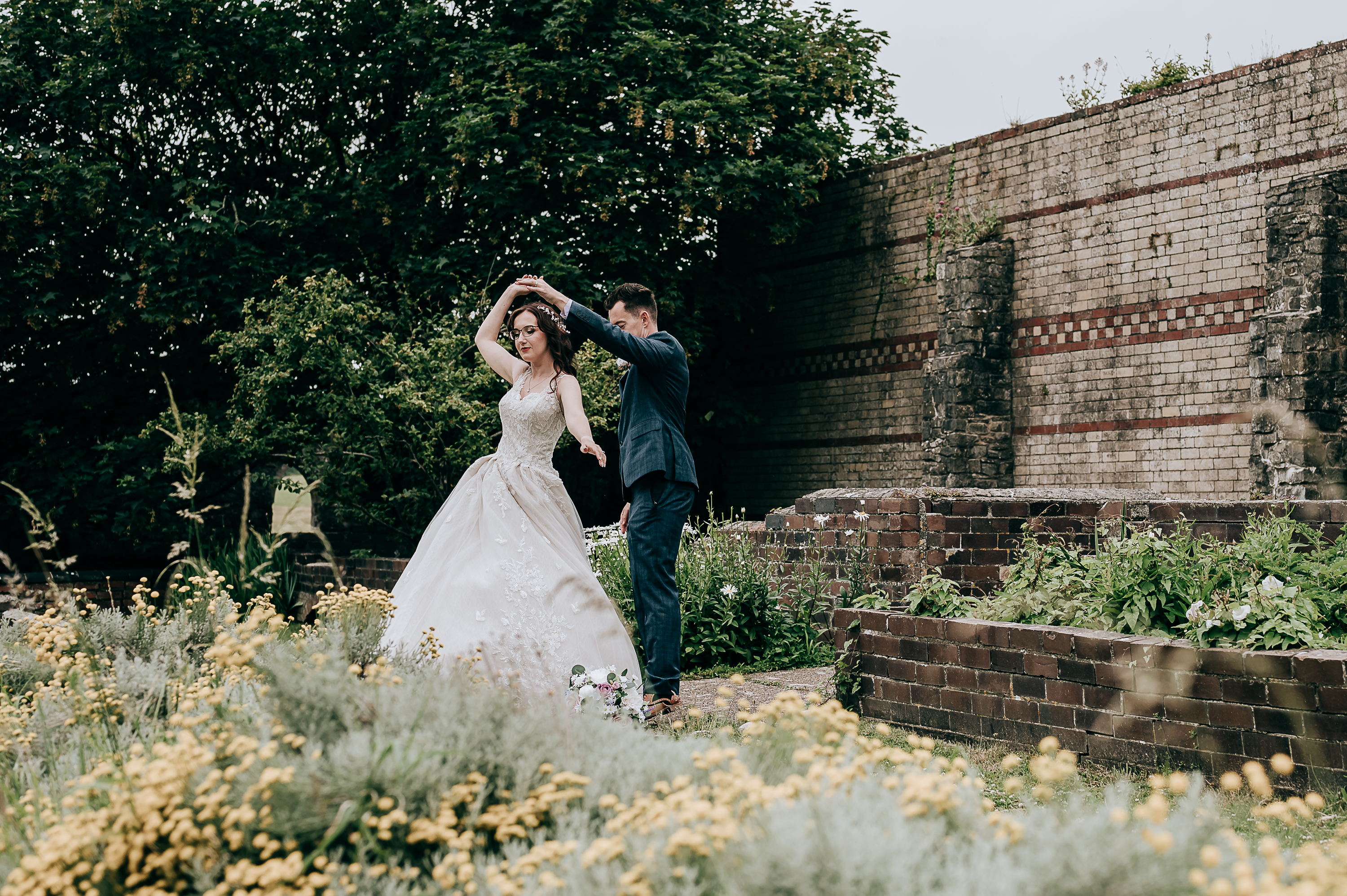
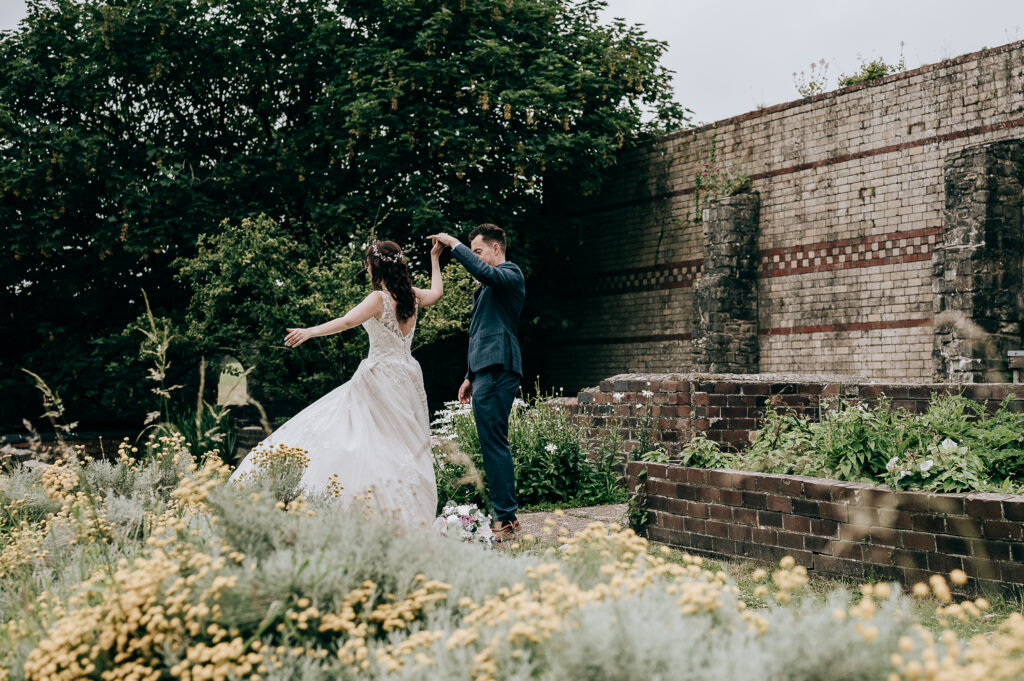
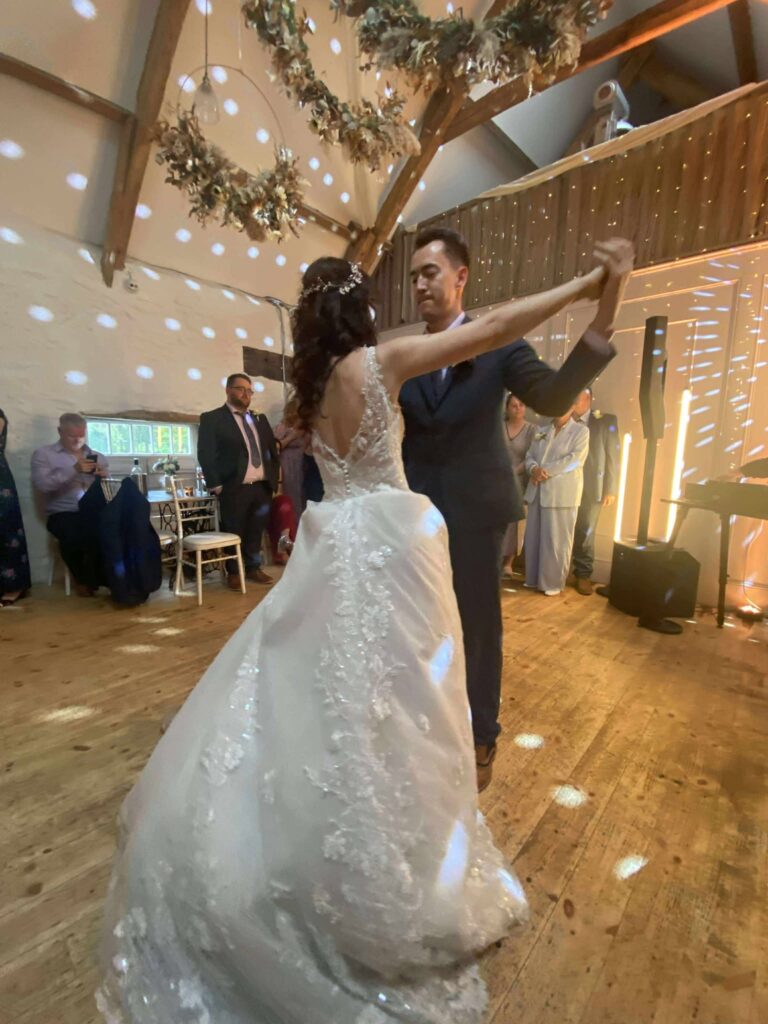
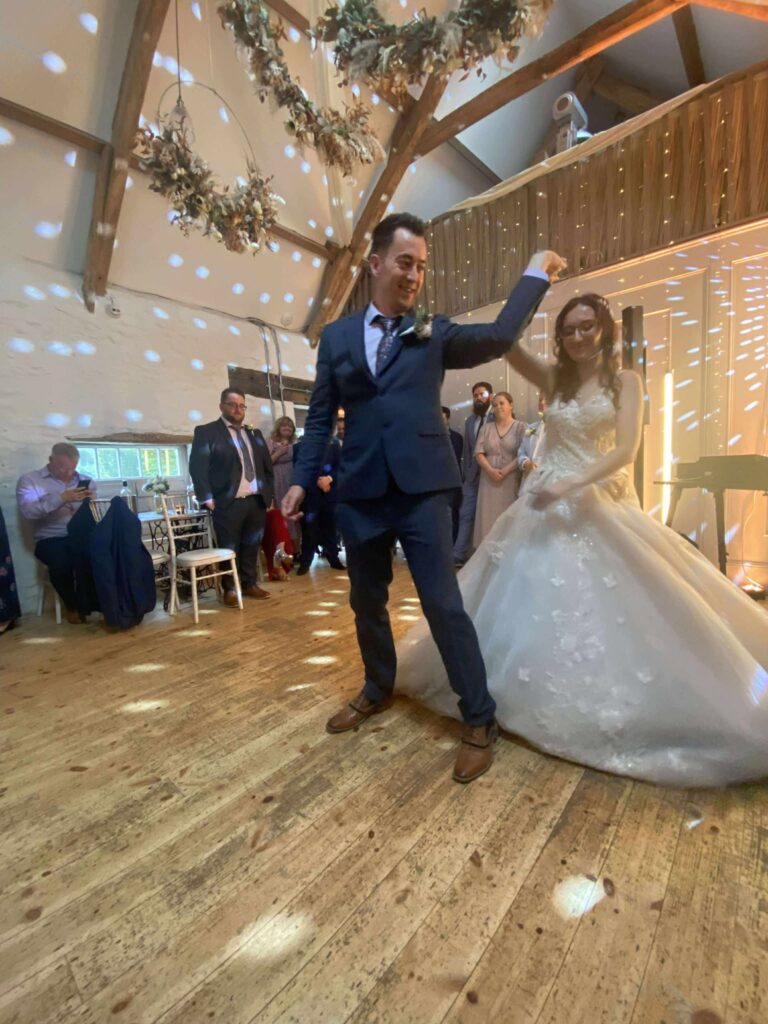
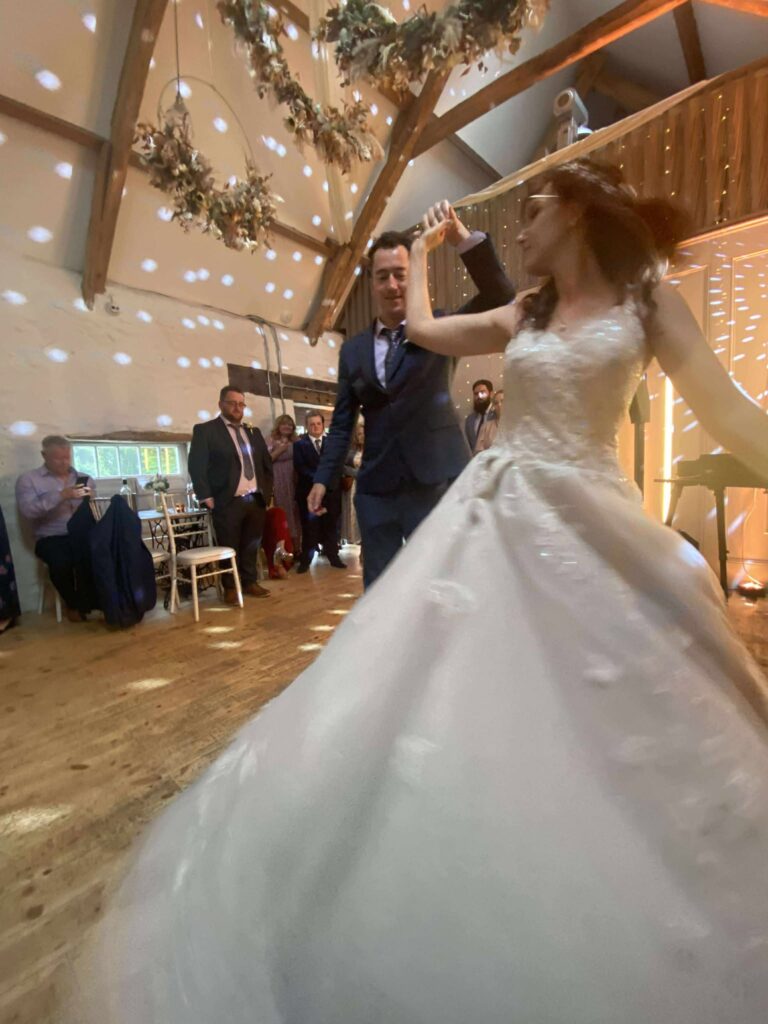
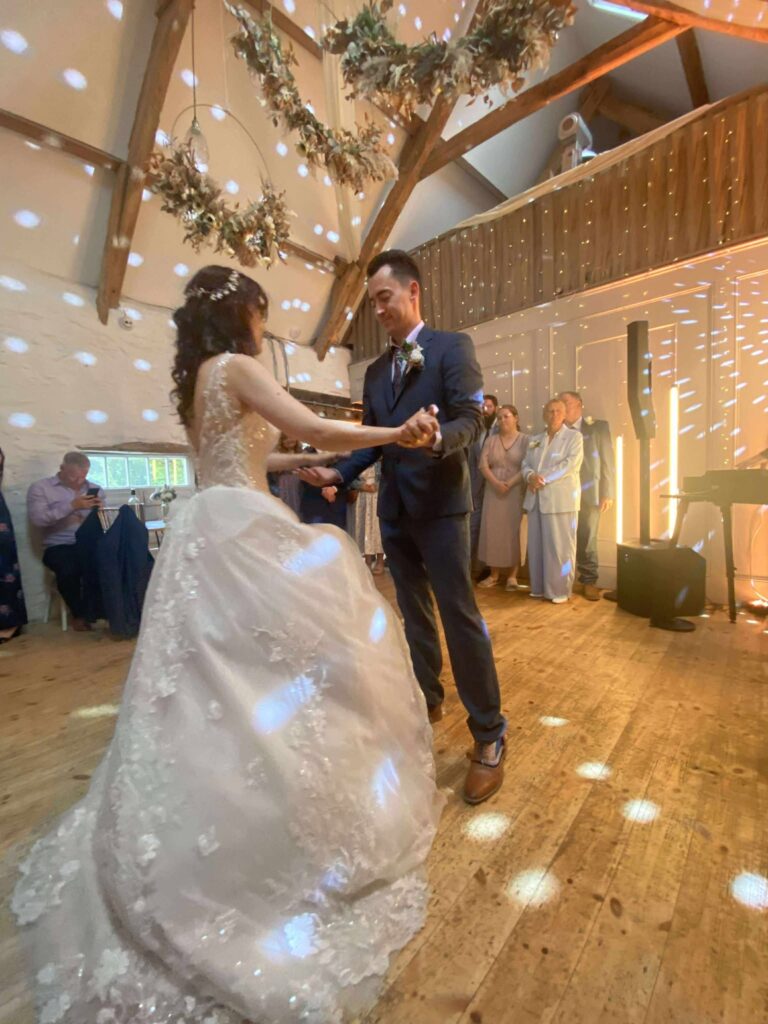
Fast forward to a couple of years ago. My husband, Mike, and I decided we wanted to learn how to dance for our wedding. We joined a local group class at the very same dance studio where I’d tried salsa years before. We eventually took private lessons to polish our wedding routine – which we thoroughly enjoyed – and fell in love with the process. Now, long after the wedding, we’re back in regular Sunday evening classes, not for a specific event, but because it has become a genuinely healthy, grounded routine for our well-being.
Adult Dance Stigma
Starting a new physical discipline in adulthood feels daunting, and ballroom dance in particular carries assumptions that can hold people back from giving it a go. While these are just my opinions, I wanted to touch on the main reasons I feel that other adults tend not to take up ballroom dance as a hobby.
The Perception That Adults Don’t Start
While TV shows like Strictly Come Dancing inspire many to appreciate dance, my personal observation among my own social circle was that adults simply don’t take up ballroom and Latin as a hobby. It often feels like something reserved either for people who trained from childhood or for a much older demographic. Pushing past that initial hurdle and walking into a studio for the first time takes a leap of faith when none of your friends or peers are doing it.
The Misconception That Ballroom Is Old-Fashioned
There is a common assumption that ballroom is rigid, outdated, or lacks physical intensity. In reality, it is exceptionally challenging. The physical mechanics, frame, timing, and spatial awareness required to navigate styles like the Cha-Cha or Tango demand a surprising amount of athleticism and dedication just to get decent at it. Something that shocked me was how much balance I needed to physically navigate the steps in sequence.
The Fear of Looking Silly
The dread of making a mistake or being judged stops so many people before they even step into the studio. In reality, adult dance classes require you to cultivate a sense of humour and learn to laugh at yourself. Everyone in the room is trying to wrap their heads around the same footwork, and sharing a laugh when a step goes wrong is actually one of the most liberating, healthy aspects of the environment. It’s also important to realise that everyone was once a beginner.
The Masculinity Myth
Many men shy away from dance due to a lingering stereotype that it isn’t a traditionally “masculine” pursuit. In practice, being the leader in ballroom requires strong physical posture, clear decision-making, spatial awareness, and direct non-verbal communication. It is a shared physical skill set built on mutual confidence, control, and partnership.
The Mental and Physical Health Reset
While the physical movement offers a great workout, the cognitive and emotional benefits have been the most profound revelation for me personally.
Dual-Brain Engagement & Neuroplasticity
Unlike repetitive exercise, dance requires simultaneous motor control, auditory processing, and complex spatial navigation. When learning choreography or responding to a partner, your brain relies on both hemispheres working in sync. Scientific research indicates that this multi-tasking demand stimulates structural neuroplasticity, building new neural pathways and strengthening brain connectivity far more dynamically than repetitive workouts.
The “Flow State” & Mindfulness
When you are trying to hold your frame, keep time with the music, navigate around other couples, and process your next step, there is zero space left in your mind for daily worries or life admin. If you lose focus for even a second, you miss a beat or step on your partner’s feet. This intense focus creates a psychological state of flow – a form of moving meditation that forces your nervous system into complete presence, disrupting cycles of stress and rumination.
Reconnecting Through Partner Dynamics
Carving out dedicated time to connect with Mike in a structured setting has been wonderful for our relationship. Partner dancing relies entirely on non-verbal communication and active listening. Embracing the traditional lead-and-follow structure – where he leads and I listen and respond – gives us a distinct space outside of our daily routines to collaborate, trust each other, and have fun together.
Posture, Control, and Everyday Confidence
The physical demands of ballroom – maintaining a firm frame, engaging your core, and staying present – naturally translate into daily life. Improving my posture has directly boosted my confidence, making me feel more grounded, taller, and more in control of how I carry and articulate myself in everyday situations.
Space for Elegance and Expression
Day-to-day life doesn’t offer many occasions to put on beautiful, sparkly heels and focus purely on movement and style. Having that dedicated time on a Sunday evening allows me to lean into a softer, more expressive side in a supportive, celebratory environment.
Conclusion
It is easy to hold onto old narratives about what we can or cannot do – whether that stems from a childhood class where you felt unwelcome, awkward school PE lessons, or simply the belief that it’s too late to start something completely unfamiliar.
Dance doesn’t require a background in ballet or flawless natural coordination; it simply requires a willingness to step outside your comfort zone, embrace the learning curve, and laugh at the missteps along the way. If you’ve ever hesitated to try something new because you worried you wouldn’t fit in or look the part, consider this your reminder that there is always room to start.