

Honest Japan Travel Tips 2026: Things Nobody Tells You Before Visiting Japan
This content includes advertisement and affiliate links. To read the full policy on this, click here.
In this post:
Introduction to My Japan Travel Tips
Before setting foot in Japan, it is almost impossible not to fall down a rabbit hole of viral itineraries, TikTok compilations, and conflicting advice. The internet will have you believe that Japan is entirely cash-driven, that locals dislike tourists, or that you can effortlessly hit ten viral spots in a single morning.
Having recently explored Tokyo, Kamakura, Kyoto, and Okinawa, the reality on the ground was often quite different from what I had read online. Japan is an extraordinary country, but it operates on distinct cultural norms, unique logistics, and pace-of-life quirks that can catch any first-time visitor off guard.
Whether you are currently planning your dream trip or just want an unfiltered look at what to expect, here are the genuine reality checks, practical lessons, and unexpected surprises from my time travelling across Japan.
Japan Reality Checks: At a Glance
- Money: Japan is no longer cash-only – contactless and UK debit cards (like Monzo) work in most major cities.
- Daily Life: Public toilets rarely provide hand dryers or paper towels; always carry a small flannel.
- Trains: Minor delays are rare and brief (1–15 mins). Bullet train luggage space must be booked in advance.
- Pacing: Tokyo is high-energy and physically demanding; balance your itinerary with calmer coastal spots like Kamakura.
Cultural & People Reality Checks
Foreigners Are Not Hated (If You Fit In)
Online forums often suggest that local residents are tired of tourists, but the everyday reality for respectful visitors is one of overwhelming warmth and helpfulness. The only time we witnessed disapproving looks was when others were breaking social etiquette – like screaming into a phone on speakerphone in a silent venue, wandering aimlessly across designated walking paths, or not monitoring their children.
Wherever we went, we made a point to do as the locals were doing. In return, people were remarkably kind. On our very first day, a man stopped to guide us the moment we looked lost in a train station. On another occasion, an elderly gentleman physically stepped off a local train just so I had room to board, giving me a deep, memorable bow as I got on.
The Standard of Politeness and Hospitality is Extraordinary
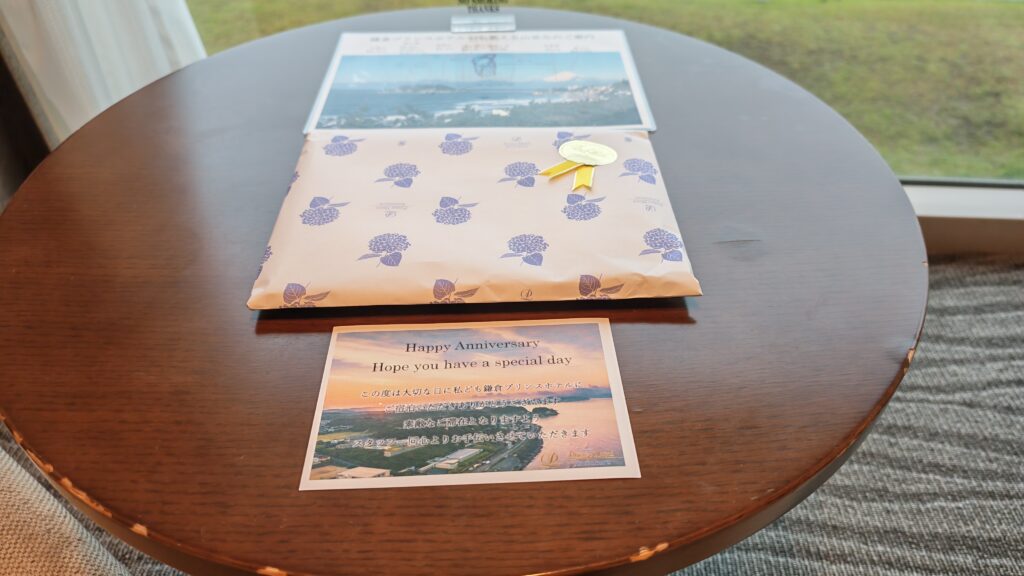
The famous level of respect in Japan is 100% real. Beyond everyday courtesy, the hospitality we experienced left a lasting impression. Nearly every hotel we stayed at surprised us with thoughtful gifts for our wedding anniversary – a level of care that has largely disappeared from UK hospitality. At Lost Bar, the bartender even gave us a free snack simply because we mentioned the celebration during casual conversation. It is these small, genuine acts of kindness that truly elevate a trip.
Basic Etiquette and Touts
While most tourists try their best, standing out for the wrong reasons usually comes down to a lack of basic situational awareness. Read the room, keep noise levels low, and respect local spaces.
As for street touts – particularly in areas like Harajuku – they are nowhere near as aggressive as the internet implies. If you have visited countries where touts physically grab your arm, Japan is a breath of fresh air. A polite “no thank you” while continuing to walk is all it took to continue with our day.
Food, Dining & Travel Myths
The “Viral Food” Myth & Regional Realities
The food you see plastered all over Instagram isn’t sitting on every corner waiting for you. We found our trip ended up being very ramen-heavy because other specific dining styles were surprisingly elusive while out and about. If you aren’t a massive fan of seafood, street food can also be tricky, as many stalls heavily feature octopus, eel, or specific fish.
Equally, those famous “mom and pop” spots aren’t as easy to stumble upon as social media implies – they require deliberate research or sheer luck.
Breakfast in Japan: What to Expect as a Westerner
If you love traditional Japanese cuisine for breakfast, you will be in heaven. However, if you are looking for a classic continental or cooked Western breakfast, options can be limited and occasionally eccentric. Seeing items like creamy chicken pasta in the Western breakfast section of a buffet was certainly a first for us!
Skip the Over-Consumption Trap
You will see countless haul videos of people buying extra suitcases just to pack thousands of pounds worth of souvenirs from shops like Don Quijote. Unless there are specific items you genuinely cannot get at home, do not feel pressured into this consumerist trend. You do not need to buy a second bag just to match what you see on the internet. I personally only purchased items I knew I’d use or would love to bring back home.
Practical Logistics & Tech That Genuinely Helps
The Cash vs Card Myth
Everyone urged us to carry stack loads of Yen, claiming Japan is almost exclusively cash-based. In the cities and main tourist hubs we visited, this was completely inaccurate. The vast majority of places accepted card, and several venues were strictly card-only. We used our Monzo cards throughout to avoid foreign transaction fees from traditional UK banks, keeping a smaller reserve of cash for rare exceptions.
Train Delays Are Not Like the UK
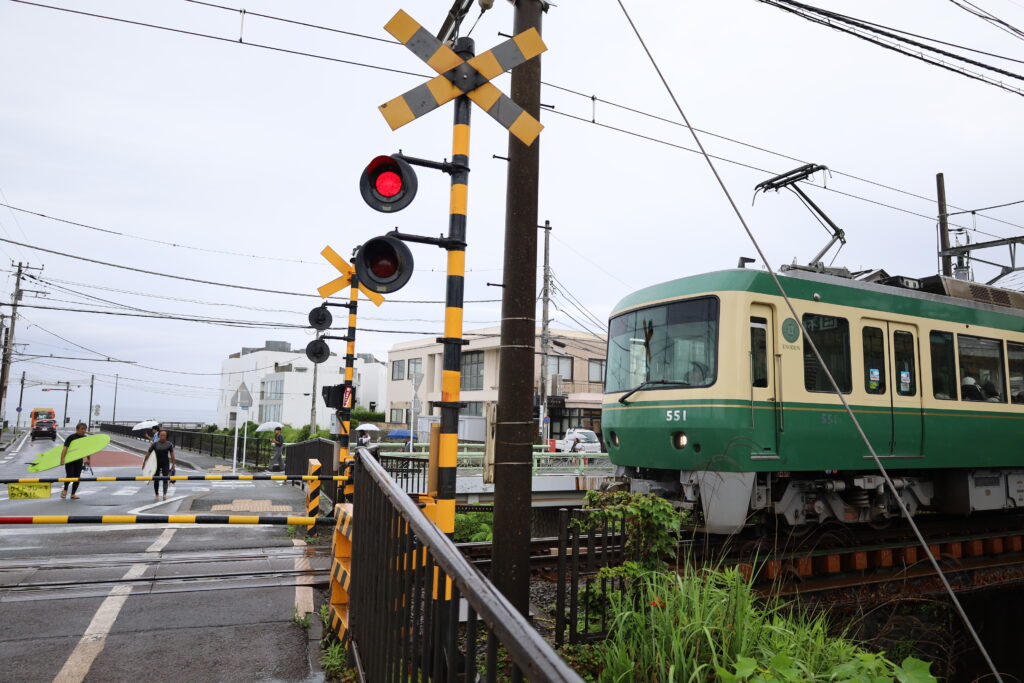
Coming from the UK, news of train delays or bad weather usually triggers visions of hours stuck on platforms or outright cancellations. In Japan, a “delay” typically means anywhere from 1 to 15 minutes in our experience. To us, that practically counts as being on time!
Station Navigation & Luggage Reality
Do not underestimate stations like Shinjuku – it is essentially a giant escape room, and the maps can be notoriously difficult to understand. Give yourself plenty of buffer time to find your platforms or exits.
Additionally, pack lighter than you think you need to. Many train stations do not have lifts, meaning you will get a full-body workout lugging large suitcases up and down multiple flights of stairs.
Finally, if you use a travel agent to deal with all of your tickets, make sure to double-check that your bullet train bookings explicitly include seat reservations with dedicated luggage space – ours did not, but changing it was no fuss at all.
The Essential Tech Toolkit
Having the right apps on your phone makes navigating daily life infinitely smoother. Here are the main ones we relied on:
- GBP X JPY: Essential for quick, on-the-spot price conversions so you know what you are spending.
- Google Lens & Google Translate: Crucial for translating Japanese signs, packaging, or menus, as well as speaking back and forth with locals.
- Safety Tips & Weather Japan: Provided fast, accurate alerts for earthquakes, weather warnings, and localised forecasts (which were far more reliable than the BBC Weather app while out there).
- Google Gemini: Handy for quick, real-time advice when we felt stuck or needed local recommendations.
Daily Life, Comfort & Pacing
Public Restrooms in Japan & The Hand Towel Trick
The rumours are true: Japanese toilets are amazing, and you will never feel cleaner. Furthermore, 99% of public restrooms are spotlessly clean and smell fresh – a stark contrast to the state of many public facilities back home.
However, most public toilets do not provide hand dryers or paper towels. Locals carry a small flannel or hand towel in their bags to dry their hands. You can pick up adorable designs everywhere; I bought a 7-Eleven-themed flannel that I still use for the gym back home.
Tokyo is Exhausting, Not Relaxing
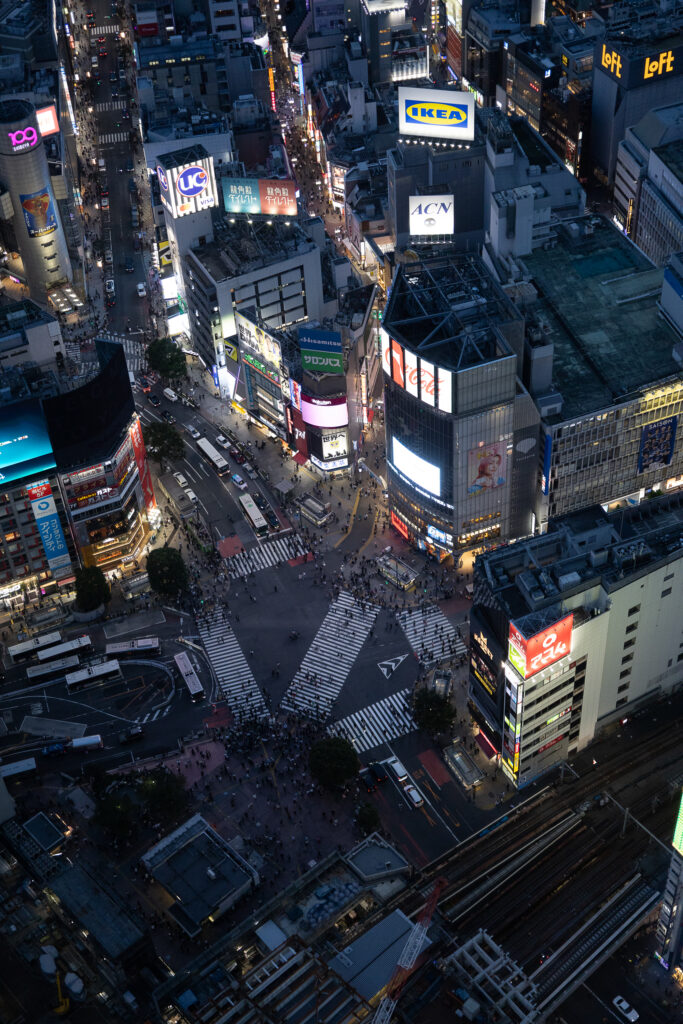
While Tokyo is deeply exciting, it is not a place you go to feel rejuvenated. The pace is intense, and trying to cram a full day of sightseeing alongside late nightlife will burn you out rapidly. Build actual downtime into your itinerary and pair busy city stints with calmer destinations like Kamakura or Enoshima Island to give your mind and body a chance to recover.
The Best Moments Aren’t Instagrammable
While high-tech attractions like TeamLab Planets are great fun, my favourite memories weren’t the ones featured in viral travel reels. Soaking in an onsen on Enoshima Island, having a nice conversation with a local family, or chatting with the sushi shop owner in Kamakura were the immersive moments that truly made the trip unforgettable.
Final Thoughts: Finding the Real Japan
If there is one overarching takeaway from our time exploring Japan, it is that the real magic of the country lies beyond the curated world of social media. While viral reels and travel guides are brilliant for sparking initial inspiration, relying on them too heavily can leave you chasing someone else’s holiday rather than experiencing your own.
Japan is a country where contrast thrives – where bustling, fast-paced neon cities give way to quiet moments of profound kindness, deep-rooted traditions, and quiet respect. You don’t need to spend thousands on endless souvenir hauls, stress over finding every hidden-gem food stall, or force yourself through an exhausting, minute-by-minute itinerary to have an incredible time.
By keeping your plans flexible, packing a little lighter, respecting local customs, and leaving room for spontaneous moments, you will discover a side of Japan that is far richer than anything you will find on a screen. Approach the journey with an open mind, a bit of patience, and a genuine curiosity, and Japan will easily deliver a trip of a lifetime.